Chiropractic care in Charleston, SC
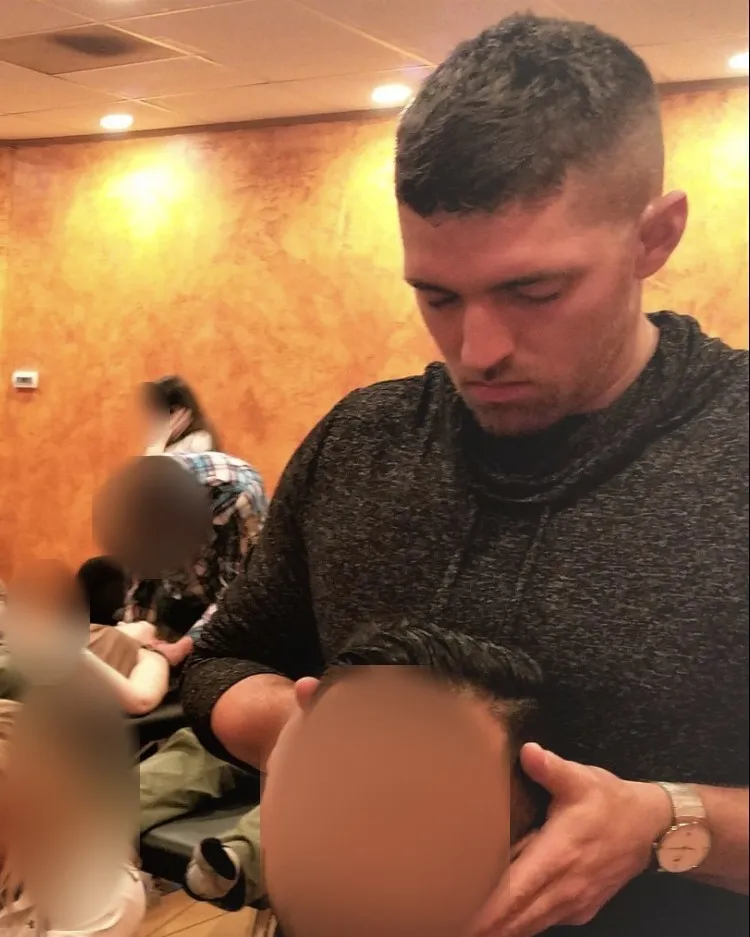
Anchor of Life offers whole-body chiropractic care in Charleston, SC, for pain and problems anywhere in the body, for athletes, and for ongoing wellness. Dr. Brad Anuszkiewicz, DC, PAK, adjusts the spine and the extremities and looks for the root cause instead of chasing symptoms. As a neurologically based chiropractor, he also looks closely at your autonomic nervous system, the part that shifts you between fight-or-flight and rest-and-digest.

Chiropractic is one part of the whole picture
At Anchor of Life, chiropractic is one part of a complete, holistic approach to your health. It can address a wide range of symptoms and concerns, because your spine and nervous system affect how your whole body moves and works. Learn about our nervous system–focused care.
Every body is different, so every plan is different. We don’t promise a set number of visits or a guaranteed outcome. We do promise to listen, explain what we find in plain words and recommend what we believe is best for you, so you can stay anchored in health and built for life.
These adjustments make me feel human again! I greatly appreciate that there’s NO pressure to see Dr. Brad 3x a week.
Care for where you are right now
Symptom-based care
Pain and problems can show up anywhere. Dr. Brad sees people for concerns in the neck, back, shoulders, hips, knees, ankles and wrists, and he adjusts the extremities as well as the spine. We look at how the whole body is working together, not just the spot that hurts.

Sports & performance
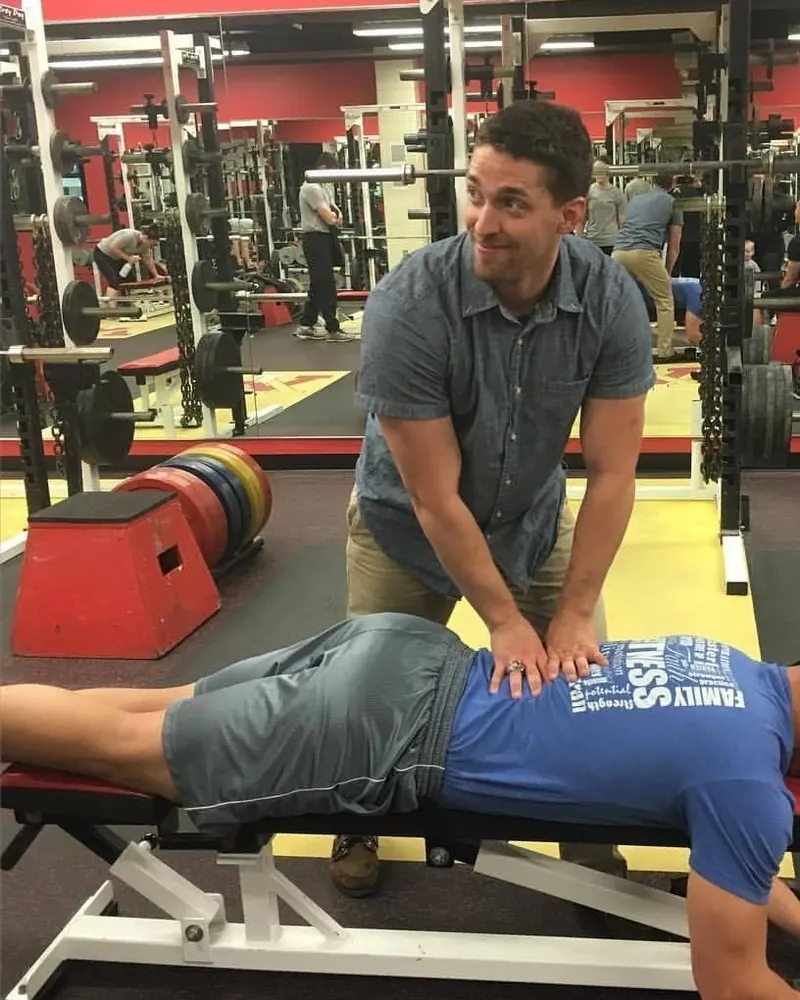
Dr. Brad is trained in sports chiropractic, including extremity adjusting, and trained with Synergy Release Sports and Alliance Sports Medicine. Whether you’re a weekend runner, a student athlete or competing at a high level, we offer everyone the same standard of care given to professional and Olympic-level athletes.

Wellness care
You don’t have to be in pain to benefit from care. Wellness or maintenance visits help you keep moving well and keep doing more of what you love. There’s no pressure and no set schedule; we recommend what fits your life.

Runners, cyclists, lifters and weekend warriors: care for the body you train with.
Techniques we use
Dr. Brad is trained in many techniques, so care can be matched to you.
Specific adjustments
Precise, gentle adjustments using Diversified, Thompson, Upper Cervical, Sacro-Occipital Technique and Structural Correction.
Extremity adjusting
Adjustments for the shoulders, elbows, wrists, hips, knees and ankles, not only the spine.
Applied kinesiology
Muscle testing helps show which muscles and areas need attention, so treatment is targeted.
Functional neurology
We consider how your nervous system is working, since it controls how your body moves and heals.
Acupressure & Neuro-Emotional Technique
Hands-on pressure-point work informed by traditional Chinese medicine, and NET to look at how stress may be showing up in the body.
Nutrition support
When diet or body chemistry may play a role, functional medicine and nutrition can be part of your plan.
Chiropractic care at two Charleston offices
We see patients in West Ashley and on Johns Island. Your first visit includes a full consultation and treatment the same day. Expecting or caring for little ones? See pregnancy and pediatric care. Learn what to expect.
What the research says
A growing body of research, much of it from Dr. Heidi Haavik’s team at the New Zealand College of Chiropractic, has looked at how adjustments affect the brain and nervous system. Research on chiropractic care is strongest for low back and neck pain, with growing research on headaches, nerve pain and sports care. Many studies are small, so we note limits where the authors do. Tap a group to open it.
Neuroscience of the adjustment 7 sources
- The contemporary model of vertebral column joint dysfunction and impact of high-velocity, low-amplitude controlled vertebral thrusts on neuromuscular functionEuropean Journal of Applied Physiology, 2021 (Haavik et al., New Zealand College of Chiropractic)
An invited review summarizing studies showing that spinal adjustments can increase muscle force and help prevent fatigue, most likely through changes in how the brain drives the muscles; the authors offer a biologically plausible model for how adjustments improve neuromuscular function and list gaps for future research.
- Manipulation of Dysfunctional Spinal Joints Affects Sensorimotor Integration in the Prefrontal Cortex: A Brain Source Localization StudyNeural Plasticity, 2016 (Lelic, Haavik et al.)
In 19 people with recurring mild spinal pain, one session of spinal manipulation changed how the brain processed sensory signals, especially in the prefrontal cortex, while a control session did not.
- The role of spinal manipulation in addressing disordered sensorimotor integration and altered motor controlJournal of Electromyography and Kinesiology, 2012 (Haavik & Murphy)
A review of studies using brain and muscle recordings that show measurable changes in sensory processing and motor output after spinal manipulation, and of how altered input from the spine may change the way the brain integrates signals from the spine and limbs.
- Effectiveness of Chiropractic Care to Improve Sensorimotor Function Associated With Falls Risk in Older People: A Randomized Controlled TrialJournal of Manipulative and Physiological Therapeutics, 2016 (Holt, Haavik et al.)
A randomized trial of 60 adults over 65 found that 12 weeks of chiropractic care improved several measures linked with fall risk, including stepping reaction time and ankle position sense, plus physical quality of life, compared with no care.
- The effects of a single session of chiropractic care on strength, cortical drive, and spinal excitability in stroke patientsScientific Reports, 2019 (Holt, Haavik et al.)
In 12 people with chronic stroke and weak calf muscles, one session of chiropractic care increased calf strength compared with a control session, likely through a change in how the brain drives the muscle; the authors call for longer-term studies.
- Changes in H-reflex and V-waves following spinal manipulationExperimental Brain Research, 2015 (Niazi, Haavik et al.)
In 10 participants, spinal manipulation increased calf strength and a measure of cortical drive and appeared to prevent fatigue, while strength dropped after the control session.
- Chiropractic Manipulation Increases Maximal Bite Force in Healthy IndividualsBrain Sciences, 2018 (Haavik et al.)
In 28 healthy people, maximum bite force increased after chiropractic care compared with sham care, and the difference was still present one week later.
Neck pain & headaches 4 sources
- Evidence-based guidelines for the chiropractic treatment of adults with neck painJournal of Manipulative and Physiological Therapeutics, 2014
A guideline built on 41 randomized trials; for chronic neck pain it recommends manipulation, manual therapy and exercise combined with other approaches, and notes a multimodal plan often showed more benefit than one treatment alone.
- The Treatment of Neck Pain-Associated Disorders and Whiplash-Associated Disorders: A Clinical Practice GuidelineJournal of Manipulative and Physiological Therapeutics, 2016
This guideline concludes that a multimodal approach, including manual therapy, self-management advice and exercise, is an effective strategy for both recent and persistent neck pain.
- Evidence-based guidelines for the chiropractic treatment of adults with headacheJournal of Manipulative and Physiological Therapeutics, 2011
This guideline recommends spinal manipulation for migraine and cervicogenic (neck-related) headache; it could not recommend manipulation for episodic tension-type headache and made no recommendation for chronic tension-type headache.
- Dose-Response and Efficacy of Spinal Manipulation for Care of Cervicogenic Headache: A Dual-Center Randomized Controlled TrialThe Spine Journal, 2018
A randomized trial that compared different numbers of manipulation visits with a light-massage control; the authors found that more manipulation visits were linked with fewer headache days.
Low back pain & sciatica 5 sources
- Association of Spinal Manipulative Therapy With Clinical Benefit and Harm for Acute Low Back Pain: Systematic Review and Meta-analysisJAMA, 2017
Pooled 26 randomized trials of spinal manipulation for recent-onset low back pain; the authors found modest improvements in pain and function, with temporary minor side effects such as soreness or stiffness.
- Benefits and harms of spinal manipulative therapy for the treatment of chronic low back pain: systematic review and meta-analysis of randomised controlled trialsBMJ, 2019
Reviewed 47 randomized trials in adults with long-term low back pain; spinal manipulation produced effects similar to other recommended therapies.
- Noninvasive Treatments for Acute, Subacute, and Chronic Low Back Pain: A Clinical Practice Guideline From the American College of PhysiciansAnnals of Internal Medicine, 2017
This national physician guideline recommends starting with non-drug treatments for low back pain, and lists spinal manipulation among the non-drug options.
- Spinal manipulation or mobilization for radiculopathy: a systematic reviewPhysical Medicine and Rehabilitation Clinics of North America, 2011
For pain that travels down a nerve (radiculopathy, such as sciatica), the authors found moderate-quality evidence supporting manipulation for acute low back cases, and only low or very low quality evidence for chronic low back and neck cases.
- Chiropractic: In DepthNational Center for Complementary and Integrative Health (NIH)
A government overview of what chiropractors do, how they are trained and licensed, and what research has looked at so far.
Sports, performance & recovery 4 sources
- The effects of a single session of spinal manipulation on strength and cortical drive in athletesEuropean Journal of Applied Physiology, 2018 (Christiansen, Haavik et al.)
A crossover study in elite Taekwondo athletes found calf (plantar flexor) strength increased after one session of spinal manipulation compared with a control session, with the change lasting about 30 minutes.
- Effect of cervical spine manipulative therapy on judo athletes' grip strengthJournal of Manipulative and Physiological Therapeutics, 2012
A small pilot trial with 18 national-level judo athletes found grip strength improved after neck manipulation compared with a sham treatment; the authors called for larger studies.
- Manipulative therapy for shoulder pain and disorders: expansion of a systematic reviewJournal of Manipulative and Physiological Therapeutics, 2011
Found fair evidence for manipulative therapy for rotator cuff and other shoulder problems when combined with exercise or other care.
- Manipulative therapy for lower extremity conditions: update of a literature reviewJournal of Manipulative and Physiological Therapeutics, 2012
Found fair evidence for short-term manipulative therapy for hip and knee osteoarthritis, kneecap pain, ankle sprains and plantar fasciitis, and noted more research is needed.
Links open the original study or government page in a new tab. Many studies are small, and research summaries are general information, not a promise of results for any one person.
Start with a consultation
Book your initial consultation online, or call or text us. Your first visit includes a full consultation and treatment the same day.